Folklore, Tradition & Etymology
St John’s wort takes its name from St John the Baptist, as the plant traditionally flowers around the feast of St John in late June. The word “wort” comes from an Old English term meaning plant or herb. Across European herbal tradition, St John’s wort was closely associated with midsummer, sunlight and protection, and its bright yellow flowers made it a plant of warmth, vitality and seasonal ritual. Over time, the flowers were infused into oils and other preparations, becoming part of a long-standing tradition of practical household herbal care.
A Heritage of Well-being
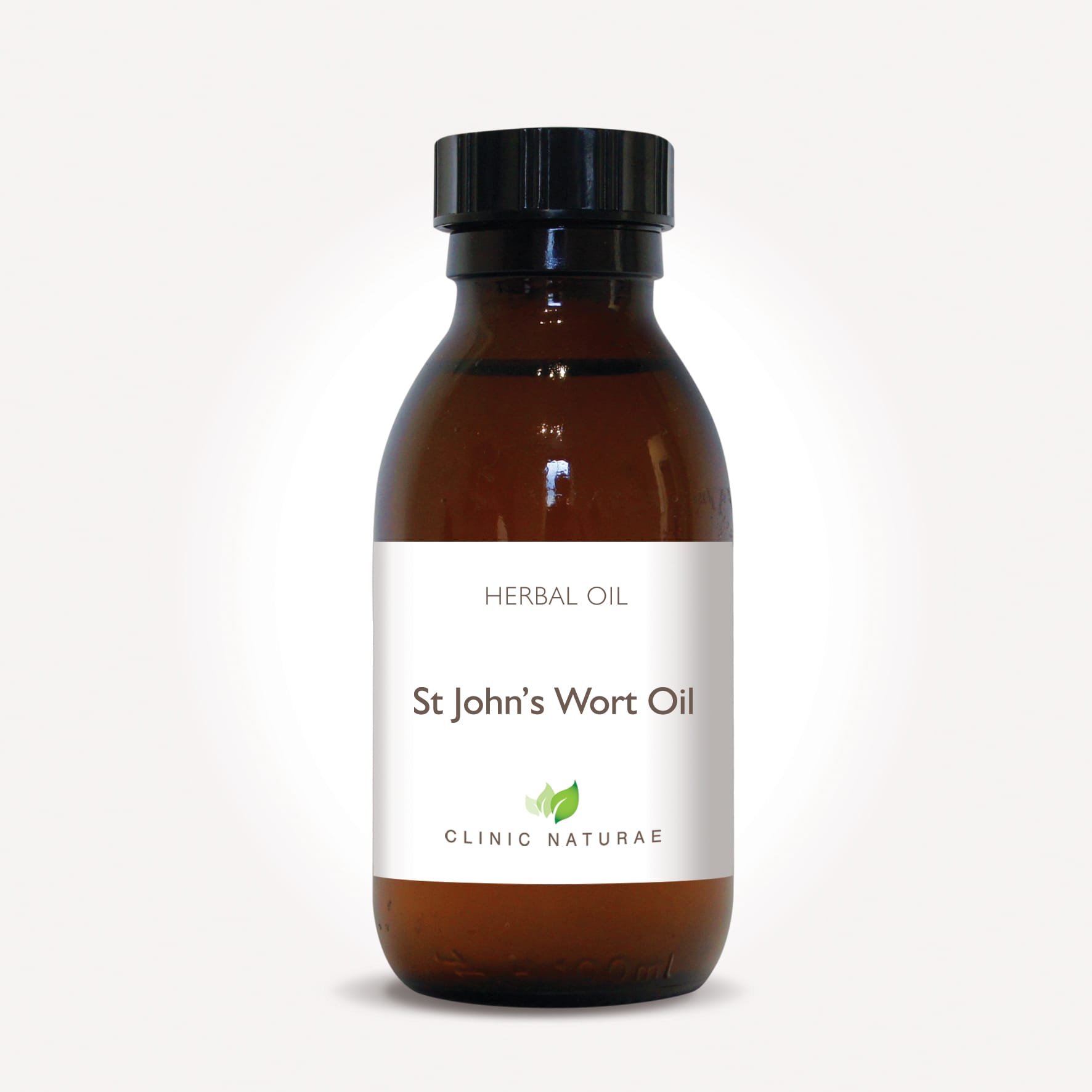
Rooted in traditional herbal oil-making, our St John’s Wort Oil honours the longstanding use of flower-infused oils in topical body care. Made by macerating St John’s wort flowers in olive oil, it offers a simple, time-honoured botanical preparation for massage and everyday skin nourishment. Rich, golden and grounded in seasonal plant wisdom, it continues a heritage in which herbs were prepared slowly and used with care to support softness, comfort and daily wellbeing.