Folklore, Tradition & Etymology
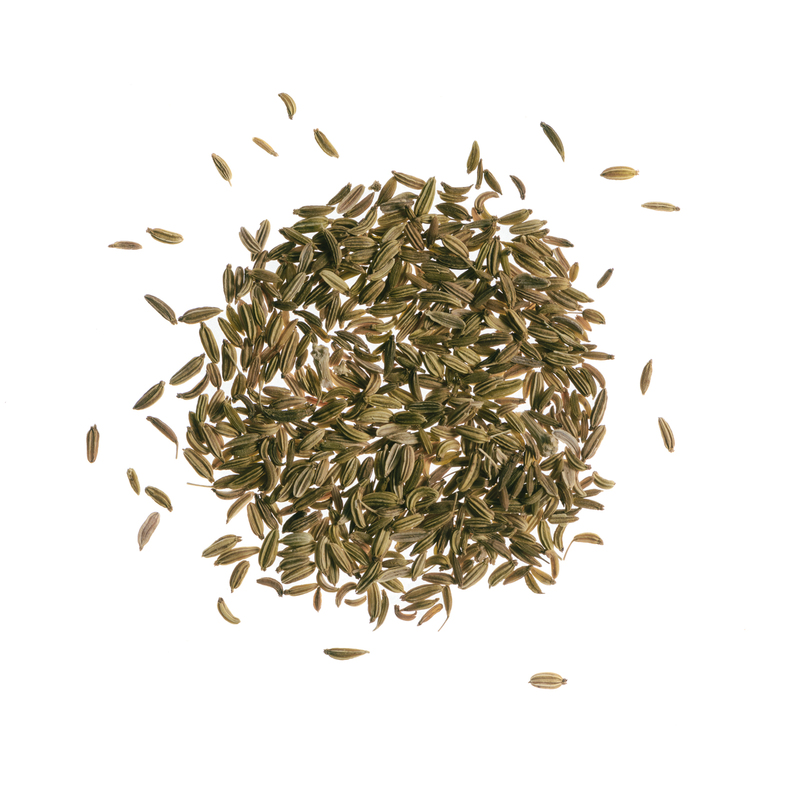
Fennel (Foeniculum vulgare), from Latin foeniculum meaning 'little hay' due to its feathery fronds, has enchanted cultures for millennia. Ancient Romans prized its seeds for strength and victory, chewing them during long speeches for stamina and fresh breath. Egyptians held it sacred, using it for eyesight, while in medieval Europe, it warded off evil spirits when hung over doorways. Herbalists like Culpeper noted its affinity for the eyes and stomach, cementing its role as a digestive talisman.
A Heritage of Well-being
Rooted in ancient apothecary traditions, fennel seed teas have been a staple in UK herbal dispensaries since the 17th century. Passed down through generations of herbalists, these sun-dried whole seeds capture the essence of Mediterranean meadows, offering a time-honoured brew for modern wellness. Sustainably sourced and organic, they embody Clinic Naturae's commitment to pure, potent herbal heritage.